Houston’s Link to Space: From NASA to Local Stargazers
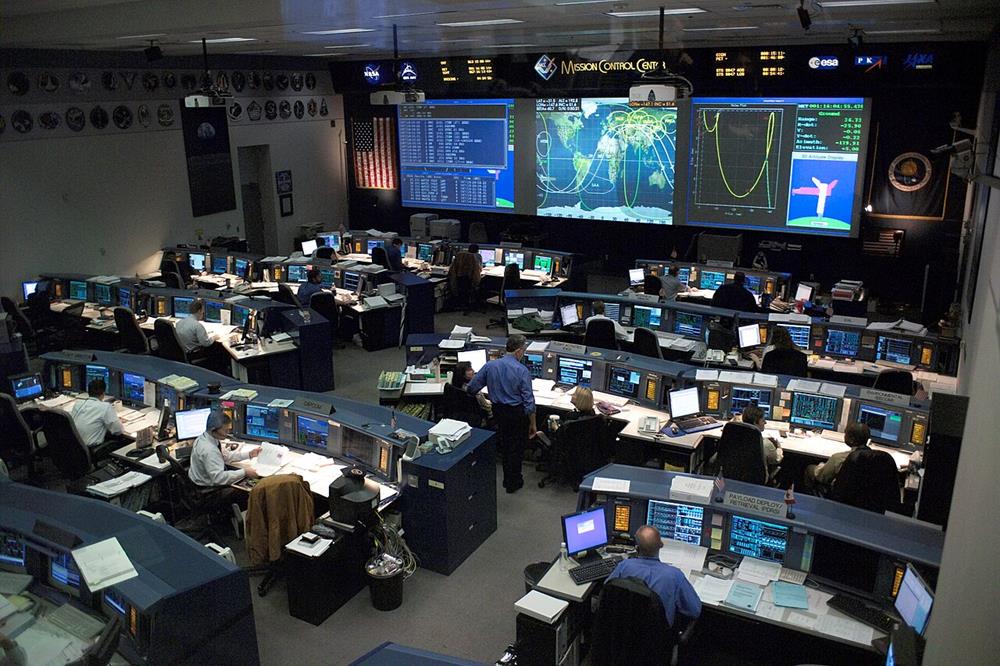
Houston's space connection centers on NASA's Johnson Space Center, selected during the early 1960s Space Race and built to support America's push to the moon. You'll find iconic Mission Control, astronaut training facilities, and Space Center Houston drawing about 1.3 million visitors each year.
NASA's Johnson Space Center supports thousands of civil servants plus a much larger contractor workforce in the region, and Houston's broader space economy includes private aerospace firms and research partners. Beyond NASA, the area also has dedicated amateur stargazers who keep the night-sky spirit alive. The cosmos awaits further exploration.
The Birth of Johnson Space Center: JFK's Houston Vision
When President John F. Kennedy challenged America in 1961 to reach the moon within a decade, he helped set in motion Houston's transformation into Space City. The Manned Spacecraft Center (later renamed Johnson Space Center in 1973) emerged from carefully selected criteria such as access to transportation, nearby industry, and a strong talent pipeline connected to regional universities.
Land made available through Rice University near Clear Lake became home to Mission Control planning in the early 1960s, establishing Houston as the nerve center for American human spaceflight as programs expanded from Gemini into Apollo—fulfilling Kennedy's ambitious lunar timeline.
You'll find Kennedy's vision extended beyond mere facilities. The center sparked unprecedented community involvement as Houston embraced its space identity. Local businesses, schools, and citizens rallied behind NASA's mission, while technology transfers from space innovations began flowing into everyday life.
Today, the center has grown into a multibillion-dollar campus with roughly 3,200 civil servants and many additional contractors working across the site's space-focused facilities.
Inside Mission Control: Where Space History Happens
Kennedy's moon ambition materialized into the nerve center we now know as Mission Control, the heartbeat of American spaceflight operations since the mid-1960s. When you explore the historic facility at Johnson Space Center, you'll find a memorial to engineering brilliance shaped by pioneers like Christopher Kraft, who helped define mission control operations during the Mercury and Gemini eras.
Before Houston fully took over this role, earlier control centers were based in Florida for the earliest crewed flights.
What makes this place extraordinary:
- The iconic MOCRs where young engineers guided Apollo missions to the moon
- Evolution from 1960s mainframes to modern workstations that transformed mission control technology
- A preserved Apollo Flight Control Room restored to an Apollo-era configuration tied to the 1969 moon landing period
This historic landmark, where "Houston, we've had a problem" became immortalized, remains closely associated with human spaceflight operations and the enduring legacy of mission control.
Training Astronauts: The Neutral Buoyancy Laboratory Experience
Just inland from the Gulf Coast, Houston harbors one of the world's largest indoor pools where astronauts learn to work in space without ever leaving Earth. The Neutral Buoyancy Laboratory's massive 6.2-million-gallon tank simulates microgravity, allowing astronauts to practice essential spacewalk maneuvers.
You'll find this engineering marvel near Johnson Space Center, where specialized equipment transforms underwater sessions into realistic space simulations. Astronauts hover weightlessly as they train on mock-ups of the International Space Station, perfecting the complex movements they'll need in orbit.
Behind every training session, sophisticated diving operations protect safety while high-definition cameras capture every detail. The facility reflects decades of planning and upgrades as NASA expanded beyond earlier neutral-buoyancy setups used in previous programs. With overhead cranes positioning hardware and control rooms monitoring progress, this facility remains NASA's most advanced Earth-based method for preparing humans to work among the stars.
Space Center Houston: Tourism Gateway to the Cosmos
While Johnson Space Center operates behind secure fences, Space Center Houston opens its doors as the public's gateway to NASA's universe. This nonprofit education organization welcomes about 1.3 million visitors a year, generating roughly $118 million in regional economic impact and supporting major tourism activity tied to space exploration. The center showcases exhibits that focus on the past, present, and future of space exploration.
When you visit, you'll experience:
- Over 400 authentic space artifacts including spacecraft and moon rocks
- Specialized STEM education programs reaching about 250,000 students and educators annually
- Guided tours connected to NASA JSC, with online pricing often listed from about $24.95 to $39.95
As Houston's only Smithsonian Affiliate, the center serves as "Space City's" tourism anchor, drawing many visitors from outside Texas whose trips contribute meaningful travel spending tied to the region's space identity.
Economic Impact: How Space Exploration Fuels Houston's Growth
NASA's Texas footprint represents more than a headline—it supports a wide ecosystem of jobs, contractors, suppliers, and education programs that strengthen Houston's economy. When you look around Houston, you'll see a large network of aerospace companies creating an active environment where commercial space firms operate alongside long-standing contractors and engineering teams.
Johnson Space Center's civil-servant workforce numbers in the low thousands, while the broader headcount linked to on-site work grows substantially when contractors and partners are included. Space Center Houston contributes major visitor-driven spending as a public-facing part of the space economy, and you can also see steady growth at Houston Spaceport at Ellington Airport, where infrastructure supports aerospace testing, manufacturing, and flight activity.
Community-forward projects like Exploration Park connect NASA-adjacent research with private enterprise, creating pathways for innovation and diversification. With a strong concentration of Texas space work tied to the Houston region, you're living in a city where cosmic ambitions continue driving terrestrial prosperity.
Historic Buildings: Preserving NASA's Architectural Legacy
National Historic Landmark designations highlight key pieces of Houston's space heritage, with the Mission Control Center (Building 30) and the Space Environment Simulation Laboratory among the celebrated sites recognized for their Apollo-era significance. You'll find these preserved treasures at Johnson Space Center, where they maintain their distinctive look despite ongoing restoration and preservation challenges.
When you visit, you'll appreciate:
- The meticulously restored Mission Control Room, where specialists recreated original visual details to match the Apollo period
- Building 30's design that consolidated flight operations during the Apollo era
- The Saturn V rocket at Rocket Park, showcased as one of the site's most iconic visitor experiences
A major restoration effort returned key mission-control spaces to an Apollo-era look in time for the moon-landing anniversary era, and the restored Apollo Mission Control space opened for public viewing in 2019 after the project was completed.
From Screen to Reality: JSC's Influence on Film and Media
Beyond the preserved historic landmarks, Johnson Space Center (JSC) has left a lasting mark on popular culture through film and television. You've likely seen JSC referenced in movies like "Apollo 13," where Houston's mission-control identity helped define how space stories are told. Houston has also been used as a real-world backdrop for space-themed storytelling, with filmmakers drawing from NASA history to keep the tone grounded.
Filming tied to NASA and space museums extends beyond JSC into Houston's broader space infrastructure. These collaborations elevate cinematic storytelling while encouraging accuracy where possible. The post-production process often incorporates archival imagery and audio to enhance authenticity in space-themed films.
Meanwhile, Space Center Houston complements Hollywood's portrayals through educational films and presentations that use NASA archival material to help visitors connect entertainment with the real story of space exploration. These experiences bridge pop culture with science, fostering public engagement with NASA's continuing missions.
Houston's Amateur Astronomy Scene: Community Under the Stars
While Houston may be known globally for NASA's professional space endeavors, the city nurtures an equally passionate community of amateur stargazers and astronomy enthusiasts. Across the region and Texas at large, astronomy clubs and informal groups give you multiple ways to explore the cosmos, from the long-running Houston Astronomical Society to astronomy communities tied to the Johnson Space Center area. These groups organize viewing nights throughout the year for better celestial observation.
These clubs provide:
- Access to club observing facilities, including the Houston Astronomical Society's dark-site observatory west of the city
- Regular public star parties and outreach nights, plus nearby options like the George Observatory through HMNS
- Specialized interest groups focusing on astrophotography and other observing styles
You'll also find telescope-loaner programs and beginner-friendly meetups through local organizations, making astronomy accessible regardless of your experience or equipment.
The Astronaut Corps: Life in Space City
At the heart of Houston's space identity lies the elite Astronaut Corps, headquartered at the sprawling Johnson Space Center. When you visit JSC's 1,620-acre campus, you'll find the operational hub where astronauts train for missions from Apollo through Artemis.
These space travelers earn federal salaries based on government pay scales while mastering spacecraft systems and EVA skills in state-of-the-art facilities. The site's spacecraft-environment chambers and training labs help crews prepare for the demanding conditions they'll face during human spaceflight operations.
Houston isn't just a workplace—it's home for astronaut families who become part of the "Space City" community. The Corps, led by a Chief Astronaut, remains closely tied to Houston's identity because training, mission support, and public outreach continue flowing through the region. Here, major milestones—from early orbital flights to current ISS operations and future lunar missions—continue to be managed and celebrated.
Beyond NASA: Private Space Companies in Houston's Orbit
Several major commercial players now orbit Houston's aerospace ecosystem, transforming Space City beyond its NASA foundations. Axiom Space is a headline name in Houston's commercial space narrative, while Houston Spaceport offers a large Ellington-based footprint for aerospace innovation and flight activity.
You'll find firms like Intuitive Machines focusing on lunar services, and other local aerospace companies delivering testing, engineering, and mission-support capabilities across the sector.
These commercial space initiatives thrive through:
- Public-private partnerships connecting NASA expertise with private innovation
- Collaborative infrastructure sharing among a broad network of aerospace companies
- Specialized workforce development programs preparing talent for space careers
Houston's aerospace sector now extends far beyond government programs, with woman-owned businesses and lunar-focused ventures helping propel the region's space economy forward.
Related posts