Astronomy Events Near the DFW Metroplex Visitors Should Know
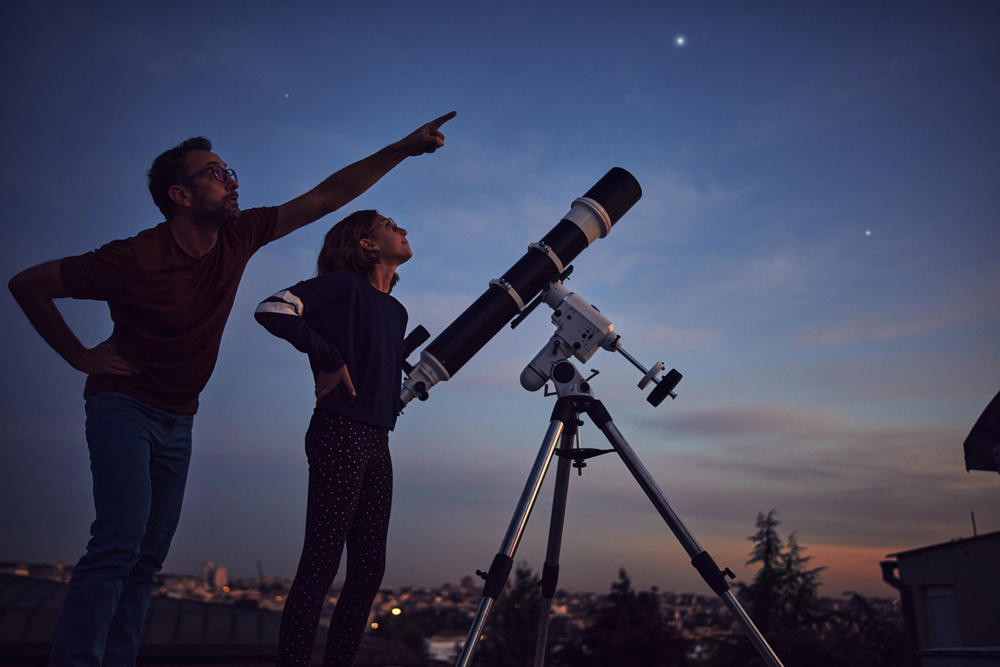
You’ll find year-round stargazing opportunities across and beyond the DFW Metroplex, from free public star parties in Fort Worth, Frisco, and Fairview to special ticketed programs such as Stars & S’mores at Dogwood Canyon Audubon Center in Cedar Hill. Many of the recurring public events are hosted by the Fort Worth Astronomical Society and the Texas Astronomical Society of Dallas, with schedules that typically begin at dusk or about 30 minutes after sunset, weather permitting.
Below, you’ll find a practical guide to notable astronomy events, recurring public programs, nearby dark-sky options, what to bring, and how to connect with local astronomy clubs if you want to keep exploring the night sky.
Stars & S'mores at Dogwood Canyon: Family-Friendly Stargazing
For a more curated astronomy outing, Stars & S’mores at Dogwood Canyon Audubon Center in Cedar Hill blends telescope viewing with family-friendly entertainment in a natural setting just south of Dallas. The 2026 event is scheduled for Saturday, January 17, from 6 p.m. to 9 p.m. and includes stargazing, live birds, live music, lawn games, a gourmet hot chocolate bar, campfire s’mores, access to the Canyon Floor Trail, and a mini escape room activity.
Adult ticket options may include beer or hard cider, and the event is weather dependent. Because the program serves as a fundraiser for the center, tickets can sell out in advance, and event details should be checked before visiting.
Fort Worth and Dallas Astronomy Clubs’ Public Star Parties
One of the most accessible recurring astronomy experiences near DFW is the monthly public star party at Tandy Hills Natural Area in Fort Worth, hosted by the Fort Worth Astronomical Society. These free events typically begin at dusk and run until about 10 p.m., with club members setting up telescopes for public viewing and helping visitors identify the Moon, planets, bright stars, and other visible objects.
The Texas Astronomical Society of Dallas also supports recurring public observing events in the northern part of the metroplex. Its Frisco Starfest is held at Frisco Commons Park on the second Saturday of each month, weather permitting, and typically starts about 30 minutes after sunset. The society’s Fairview Community Star Party is held at Lovejoy ISD’s Sloan Creek Intermediate School in Fairview on the first Saturday of each month except December.
These public gatherings are some of the easiest ways for visitors and beginners to try stargazing without investing in their own equipment. Most are family friendly, free to attend, and welcoming to people who simply want to look through a telescope and learn more about the night sky.
Texas Star Party: A Major Dark-Sky Event in Texas
For travelers who want a deeper astronomy experience beyond the metroplex, the Texas Star Party is one of the state’s best-known multi-day observing events. The 2026 event is scheduled for May 10–17 at Prude Ranch in Fort Davis, far from DFW but important enough to mention because it is one of Texas’s premier astronomy gatherings and draws hundreds of amateur astronomers under some of the darkest skies in North America.
Lodging options include ranch accommodations, RV sites, and camping, and the event also features talks, observing, and astronomy community activities. This event is better suited to dedicated enthusiasts willing to travel well beyond DFW for darker skies and a more immersive experience.
DFW Star Party Calendar: Best Recurring Viewing Opportunities
The strongest recurring astronomy calendar near DFW comes from a handful of dependable public programs rather than “dozens” of metro-wide events at all times of year. The most consistently documented options are Tandy Hills Natural Area in Fort Worth, Frisco Starfest at Frisco Commons Park, and the Fairview Community Star Party at Sloan Creek Intermediate School.
In general, these events are scheduled monthly, are weather permitting, and begin at dusk or about 30 minutes after sunset. Seasonal timing matters: winter events begin earlier in the evening, while spring and summer sessions begin later because sunset comes later.
If you are planning around a specific celestial event such as a planetary alignment, meteor shower, or lunar eclipse, it is smart to confirm the club calendar shortly before visiting because exact start times and cancellations can change with weather and sky conditions.
Major Annual Celestial Events Visible from North Texas
While public star parties provide guided telescope viewing, many visitors plan their stargazing trips around major celestial events that are visible across North Texas throughout the year. Several predictable astronomical phenomena offer excellent viewing opportunities from the DFW area.
One of the most popular is the Perseids Meteor Shower, which peaks each year in mid-August and can produce up to 60 meteors per hour under dark skies. Because it occurs during warm summer nights, it is one of the most accessible meteor showers for casual observers.
Another reliable event is the Geminids Meteor Shower, which peaks in mid-December and is often considered the most intense annual meteor shower, sometimes producing 100 or more meteors per hour under ideal conditions.
Planetary viewing opportunities also occur regularly. When bright planets such as Jupiter, Saturn, or Mars reach favorable positions in the sky, they become prime telescope targets at many local star parties. These periods—called planetary oppositions—allow observers to see planetary details such as Saturn’s rings or Jupiter’s cloud bands.
Occasionally, lunar eclipses or partial solar eclipses are visible from North Texas as well. Local astronomy clubs often organize special public observing sessions during these rare events, making them some of the most memorable astronomy gatherings near the DFW Metroplex.
Texas State Parks and Darker-Sky Escapes Within Reach of DFW
Visitors based in DFW can also pair astronomy with day trips to parks and natural areas that offer more open skies than the urban core. Cedar Hill State Park, southwest of Dallas, is a practical option for combining sunset views with hiking and lakeside scenery at Joe Pool Lake. Dinosaur Valley State Park near Glen Rose is also notable because the Fort Worth Astronomical Society holds public events there in addition to its Fort Worth programs.
Other worthwhile outdoor escapes include Lake Mineral Wells State Park & Trailway, known for Penitentiary Hollow and longer trail access, Eisenhower State Park on Lake Texoma, and Ray Roberts Lake State Park, whose Isle du Bois and Johnson Branch units offer trails, camping, and more breathing room away from city lights. These destinations are not dedicated astronomy venues, but they can make sense for travelers who want a broader outdoor trip built around an evening of stargazing.
Dark-Sky Day Trips for Stargazing Near DFW
Although the DFW Metroplex experiences significant light pollution, several nearby destinations offer noticeably darker skies for self-guided stargazing trips.
One of the closest options is Lake Mineral Wells State Park & Trailway, located about 70 miles west of Fort Worth. The park’s open landscapes and lower surrounding development make it a popular place for amateur astronomers looking for darker conditions than the city provides.
Copper Breaks State Park, located roughly 200 miles northwest of Dallas, is one of Texas’s International Dark Sky Parks and hosts regular astronomy programs and public star parties. On clear nights, visitors can see the Milky Way and thousands of stars that are difficult to observe from urban areas.
Another scenic option is Dinosaur Valley State Park near Glen Rose, which occasionally hosts astronomy events and provides wide open viewing areas along the Paluxy River valley.
These destinations are not always hosting organized astronomy programs, but they can offer significantly better viewing conditions for visitors willing to travel a short distance beyond the city lights.
Moon Phases and Weather: Planning a Successful Stargazing Night
Even the best astronomy event can be affected by weather conditions or the phase of the Moon, so planning ahead can greatly improve your viewing experience.
Cloud cover is the most common reason public star parties in North Texas are postponed or canceled, since even thin cloud layers can block visibility of planets and stars. Many astronomy clubs confirm event status on the day of the program based on current forecasts.
The phase of the Moon also plays a major role in how much of the night sky you can see. A bright full Moon can wash out faint galaxies, nebulae, and star clusters, making deep-sky observing more difficult. For that reason, many astronomy events are scheduled near the new Moon, when the sky is darkest.
Humidity levels can also influence viewing conditions. After cold fronts move through North Texas, skies are often clearer and drier, creating some of the best stargazing conditions of the year.
Checking the moon phase calendar, weather forecast, and sunset time before attending an astronomy event can help ensure you arrive on a night when the sky offers the best possible views.
What to Pack for Star Parties in Dallas-Fort Worth
For public star parties around DFW, comfort and visibility matter more than overpacking. A red flashlight or headlamp is one of the most useful items because it helps preserve night vision while still allowing you to move safely around observing areas. A folding chair or blanket is also helpful, especially at school fields, parks, and open viewing spaces such as Frisco Commons Park and Sloan Creek Intermediate School.
You’ll also want season-appropriate layers, comfortable shoes, water, and insect repellent when conditions call for it. Binoculars can be a great addition for beginners, and a simple sky map or astronomy app can make it easier to follow along with what volunteers are pointing out through the telescopes.
Because many events take place in parks or open outdoor areas, it helps to arrive before full darkness to get oriented, park safely, and adjust to the site before the observing begins.
How to Join DFW Astronomy Clubs and Organizations
If you want to go beyond one-time stargazing events, the two best-known regional organizations are the Fort Worth Astronomical Society and the Texas Astronomical Society of Dallas. FWAS has been active since 1949, while TAS was chartered in 1955, and both groups welcome members interested in astronomy at different experience levels.
TAS offers monthly meetings, special-interest groups, and access to its Atoka dark-sky observing site for members. Current TAS meeting information indicates that general meetings are held on the fourth Friday of the month, with current formats and locations varying by schedule, so checking the club’s latest meeting page is the best approach before attending.
FWAS hosts public outreach events and club activities in Fort Worth and beyond, including the monthly Tandy Hills public star parties. Both organizations are also part of NASA’s Night Sky Network, which is a useful starting point if you want to find additional astronomy clubs and public observing events by area.