Austin’s Space and Science Culture for Visitors
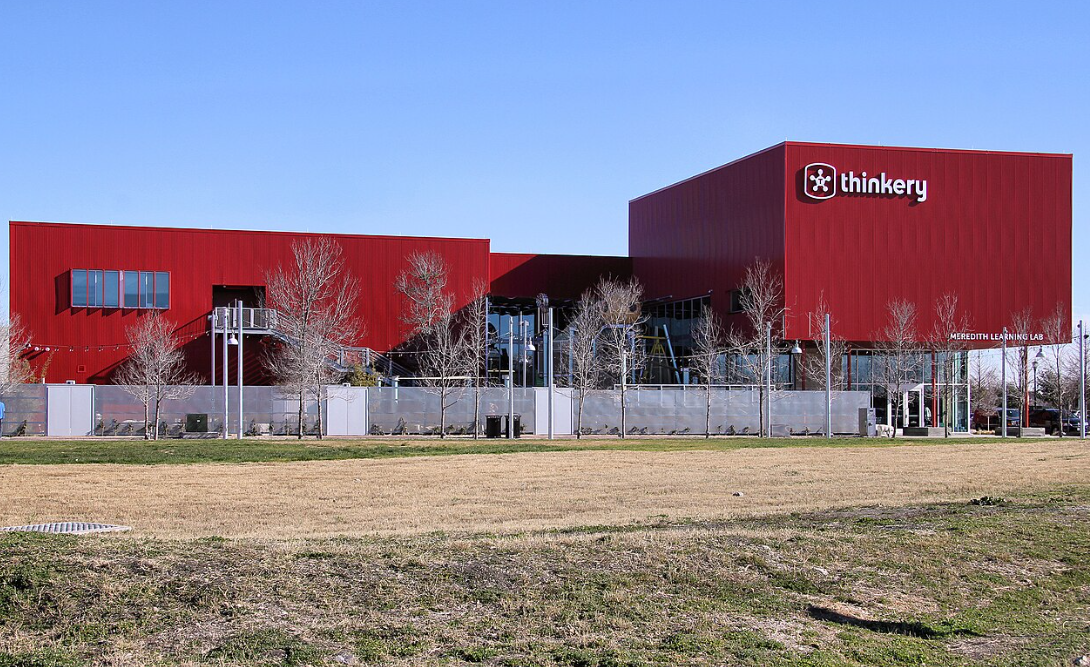
Larry D. Moore, The thinkery austin 2014, CC BY 4.0
Austin’s space and science culture offers visitors a variety of hands-on learning experiences across museums, nature centers, and university collections. Families can explore interactive exhibits, dig for fossils, observe wildlife, and attend astronomy events that highlight both natural science and space exploration.
Destinations such as the Thinkery Children’s Museum, the Austin Nature & Science Center, and science collections at The University of Texas at Austin provide educational programs designed for visitors of all ages. Many of these experiences are interactive and affordable, and some offer free admission, making them accessible options for travelers interested in science, nature, and discovery.
The sections below highlight where visitors can experience Austin’s science museums, nature exhibits, and astronomy programming.
Austin’s Best Science Museums: Thinkery, Nature & Science Center, and UT Collections
Austin offers several science-focused institutions that emphasize hands-on learning and educational exploration.
The Thinkery, located in the Mueller district, is Austin’s modern children’s museum focused on STEAM education (science, technology, engineering, arts, and math). The museum spans approximately 40,000 square feet and includes interactive exhibits that encourage children to experiment with water flow, light, mechanical systems, and creative building activities.
Thinkery also hosts rotating exhibits, camps, and educational programs that support early childhood learning. Its exhibits are designed to promote curiosity and problem-solving through hands-on interaction rather than passive displays.
Another key destination is the Austin Nature & Science Center, located in Zilker Park. The center provides outdoor and indoor exhibits focused on wildlife, geology, and environmental education. Unlike many museums, admission is free, making it one of the most accessible science attractions in the city.
Visitors interested in academic science collections can also explore exhibitions connected to The University of Texas at Austin, including natural history collections and science outreach programs.
University Research and Innovation at UT Austin
Austin’s science culture is strongly influenced by the University of Texas at Austin, one of the nation’s leading research universities. The university supports major programs in astronomy, engineering, robotics, and space science, many of which contribute to national research initiatives.
The UT Austin Department of Astronomy conducts research in areas such as exoplanets, galaxy formation, and cosmology. Faculty and students also participate in large international telescope collaborations and space missions.
Engineering research at UT Austin includes work in robotics, aerospace engineering, artificial intelligence, and advanced materials. Programs within the Cockrell School of Engineering frequently collaborate with government agencies and private technology companies.
Through public lectures, outreach programs, and university events, UT Austin helps connect visitors with the city’s broader science and innovation ecosystem.
Space and Astronomy Experiences in Austin
While Austin does not host a dedicated space museum, visitors can still explore astronomy and space science programming through educational institutions and public events.
Astronomy outreach programs are often organized by groups such as the Texas Astronomical Society of Dallas and local university departments, which occasionally host public telescope nights and educational talks in Central Texas.
The University of Texas Department of Astronomy regularly participates in public outreach events and science lectures that introduce visitors to topics such as planetary science, telescope technology, and current space missions.
Austin libraries, schools, and science organizations sometimes host public star parties, where participants can view planets, star clusters, and the Moon through telescopes.
These programs connect visitors with the broader world of astronomy while highlighting the role Texas universities play in modern space research.
Planetarium and Observatory Programs in Central Texas
Although Austin does not have a large public planetarium, several institutions in Central Texas host planetarium shows and telescope observation events.
Nearby universities and science organizations periodically organize public observatory nights, where visitors can observe planets, the Moon, and star clusters through telescopes while learning from astronomy educators.
Educational planetariums at regional schools and universities sometimes offer public science presentations and astronomy demonstrations, particularly during special events or seasonal astronomy programs.
These experiences allow visitors to explore the night sky while learning about constellations, planetary motion, and space exploration.
Dinosaur Digs and Fossil Exhibits at Austin Nature & Science Center
One of Austin’s most popular science attractions is the Dino Pit at the Austin Nature & Science Center.
Located within Zilker Park, the center features a hands-on paleontology dig site where children can uncover fossil casts modeled after real specimens discovered across Texas. Visitors use brushes and tools to carefully excavate fossil replicas embedded in sand.
Nearby exhibits display fossils, minerals, and geological specimens, offering insights into Texas’s prehistoric past.
The center’s Naturalist Workshop also allows visitors to examine bones, skulls, rocks, and other natural objects up close, creating an interactive learning experience that combines geology, biology, and archaeology.
Because many exhibits are outdoors, the Austin Nature & Science Center provides a unique blend of science museum and nature exploration.
Live Birds of Prey and Wildlife Rehabilitation Experiences
The Austin Nature & Science Center is also known for its Wildlife Exhibits, which feature animals that have been rescued and cannot safely return to the wild.
Visitors can observe native Texas wildlife including hawks, owls, vultures, foxes, and other animals that are cared for by wildlife rehabilitation specialists. Educational signage explains how these animals were rescued and why they remain under human care.
The center’s mission focuses on wildlife conservation and environmental education, helping visitors understand the role these species play in Texas ecosystems.
Although the animals live in permanent enclosures, the exhibits emphasize responsible wildlife care and rehabilitation practices.
Free Admission, Educational Programs, and Astronomy Events
Many of Austin’s science attractions emphasize accessible educational programming.
The Austin Nature & Science Center offers free admission and regularly hosts school programs, nature camps, and family-friendly workshops focused on environmental science and outdoor learning.
Museums such as the Thinkery operate as nonprofit institutions and offer discounted admission programs, community events, and educational camps for children.
Throughout the year, Austin also hosts astronomy-related public programs, including telescope nights, science lectures, and seasonal educational workshops organized by universities, libraries, and local astronomy groups.
These events provide opportunities for visitors to explore topics such as planetary science, astronomy, wildlife conservation, and environmental education.
STEM Events and Science Festivals in Austin
Throughout the year, Austin hosts a variety of STEM-focused events and science festivals that bring together educators, researchers, and technology enthusiasts.
Events such as maker festivals, robotics competitions, and science fairs provide opportunities for families and students to engage with hands-on demonstrations, engineering challenges, and technology exhibits.
Local universities, libraries, and community organizations frequently collaborate on these programs, offering activities such as robot-building workshops, coding demonstrations, and interactive science displays.
These gatherings reflect Austin’s identity as a city where science, education, and technology communities regularly intersect.
Austin’s Maker and Technology Culture
Austin’s science culture also overlaps with its reputation as a major technology and innovation hub.
The city is home to numerous maker spaces, coding workshops, and robotics clubs where students and hobbyists explore engineering, electronics, and digital fabrication.
Organizations such as Asmbly Makerspace provide shared workspaces equipped with tools for woodworking, metalworking, electronics, and 3D printing. These collaborative environments allow people to design and build projects while learning new technical skills.
Austin’s strong technology sector—including companies in software, semiconductor design, and robotics—has helped cultivate a local culture that encourages experimentation, invention, and hands-on STEM learning.
Nearby Space Attractions: Space Center Houston
Visitors interested in space exploration may also consider a trip to Space Center Houston, the official visitor center for NASA’s Johnson Space Center, located about three hours southeast of Austin.
Space Center Houston features extensive exhibits on human spaceflight, including spacecraft replicas, astronaut training demonstrations, and interactive displays explaining how astronauts live and work in space.
The center also offers tram tours that provide views of NASA facilities used for astronaut training and mission operations.
Although it requires a longer drive, many visitors combine a trip to Austin with a visit to this major Texas attraction to gain a deeper understanding of the state’s role in NASA’s space exploration history.