Best Texas Outdoor Spots for Astronomy Lovers
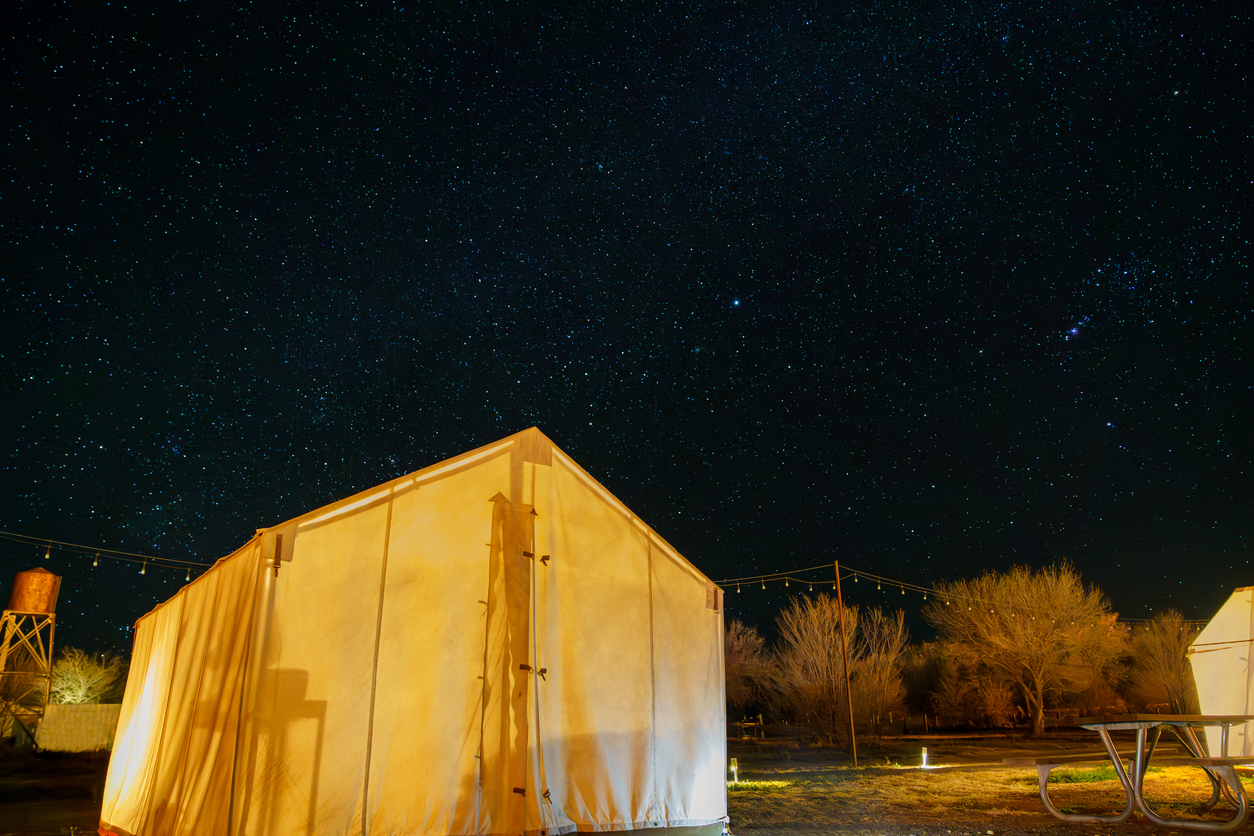
Texas offers some of the darkest night skies in North America, making it an exceptional destination for stargazing. From remote desert parks to accessible Hill Country locations, astronomy enthusiasts can experience everything from Milky Way views and meteor showers to telescope-assisted observations.
Iconic destinations such as Big Bend National Park, McDonald Observatory, and Enchanted Rock State Natural Area provide some of the most reliable conditions for night-sky viewing. Several communities across Texas have also adopted dark-sky lighting standards, helping preserve the visibility of stars and planets for both scientists and visitors.
Below are some of the best outdoor locations in Texas where astronomy lovers can explore the night sky.
Seasonal Celestial Events Visible from Texas
Texas’s dark sky regions offer excellent viewing opportunities for several major annual meteor showers and celestial events.
The Perseid meteor shower, which peaks each year in mid-August, is one of the most popular events for stargazers. Locations such as Big Bend National Park, the Davis Mountains, and Enchanted Rock State Natural Area provide clear skies and minimal light pollution, making them ideal for watching dozens of meteors streak across the sky each hour during peak nights.
Another impressive event is the Geminid meteor shower in mid-December, widely considered one of the most reliable meteor showers of the year. West Texas locations such as Fort Davis and Big Bend Ranch State Park provide exceptionally dark viewing conditions during winter.
The Leonid meteor shower, peaking each November, can also produce memorable displays, particularly when viewed from remote areas with unobstructed horizons.
Planning a trip around these celestial events can make a Texas stargazing experience even more memorable.
Big Bend National Park: Texas’s Darkest Night Skies
Deep in far West Texas, Big Bend National Park is widely recognized as the darkest national park in the continental United States. Its remote location in the Chihuahuan Desert places it hundreds of miles from major urban light pollution.
On clear nights, visitors can see thousands of stars, the Milky Way stretching across the sky, and distant galaxies with binoculars or telescopes. The park is also certified as an International Dark Sky Park, a designation that recognizes its efforts to preserve natural nighttime conditions.
Popular stargazing areas include the Rio Grande Village Nature Trail, Santa Elena Canyon, and the Chisos Basin area, where wide-open desert landscapes provide unobstructed views of the sky.
Because of its exceptionally dark conditions, Big Bend frequently hosts astronomy programs, ranger-led night sky talks, and seasonal meteor shower viewing opportunities.
The Greater Big Bend International Dark Sky Reserve
The Big Bend region is also part of the Greater Big Bend International Dark Sky Reserve, one of the largest certified dark-sky reserves in the world.
This reserve includes:
- Big Bend National Park
- Big Bend Ranch State Park
- McDonald Observatory
- Several protected areas in northern Mexico
- Communities such as Alpine, Marfa, and Fort Davis
Together, these locations cover over 15,000 square miles of protected night skies across the Texas–Mexico border region. Local governments and park authorities have adopted low-impact lighting policies to help maintain the area’s exceptional visibility of stars.
The reserve allows visitors to experience near-pristine night skies across a wide region, making it one of the most significant dark-sky destinations in North America.
McDonald Observatory and Davis Mountains Star Parties
Located in the Davis Mountains near Fort Davis, the University of Texas McDonald Observatory has been a major center for astronomical research since 1939.
The observatory sits at about 6,800 feet elevation on Mount Locke, where dry air and high altitude create ideal viewing conditions.
Visitors can participate in the observatory’s well-known Star Parties, where guides use powerful telescopes to show guests:
- Star clusters
- Nebulae
- Planets like Saturn and Jupiter
- Distant galaxies
These programs combine educational presentations with guided telescope viewing, making them one of the most popular astronomy experiences in Texas.
The nearby Frank N. Bash Visitors Center offers exhibits, a theater presentation about astronomy, and daytime solar-viewing demonstrations.
Astronomy Festivals and Star Parties in Texas
Texas hosts several astronomy events that bring together amateur astronomers, professional researchers, and stargazing enthusiasts.
One of the most well-known gatherings is the Texas Star Party, held annually near Fort Davis at the Prude Ranch in the Davis Mountains. Established in 1979, it is one of the largest star parties in the United States, attracting hundreds of participants who bring advanced telescopes and astrophotography equipment.
During the event, visitors can attend educational talks, participate in observing sessions, and view deep-sky objects through large telescopes under exceptionally dark skies.
Events like the Texas Star Party provide a unique opportunity for beginners and experienced observers alike to learn from the astronomy community while enjoying some of the darkest skies in North America.
Central Texas Dark Sky Parks Near Austin and San Antonio
Central Texas also offers excellent stargazing opportunities, especially in the Texas Hill Country, where lower population density reduces light pollution.
One of the best locations is Enchanted Rock State Natural Area, near Fredericksburg. The park is designated as an International Dark Sky Park, and its massive granite dome provides wide, unobstructed views of the sky. Visitors often gather here to watch meteor showers, planetary alignments, and Milky Way photography sessions.
Other nearby parks suitable for stargazing include:
- Pedernales Falls State Park
- Blanco State Park
- Colorado Bend State Park
Several Hill Country communities—including Dripping Springs and Fredericksburg—have adopted dark-sky initiatives designed to reduce artificial lighting and protect nighttime visibility.
Astrophotography Locations Across Texas
Texas is one of the best states in the United States for Milky Way photography, thanks to its large areas of protected dark skies.
Photographers frequently travel to Big Bend National Park, where extremely low light pollution allows the Milky Way to appear vividly across the desert sky. The park’s wide desert landscapes and dramatic mountain silhouettes provide striking foreground compositions for night photography.
The Davis Mountains region, including areas around Fort Davis and McDonald Observatory, is another popular destination for astrophotographers. The high elevation and remote location create excellent viewing conditions for photographing star fields and deep-sky objects.
In Central Texas, Enchanted Rock State Natural Area is a favorite location for Milky Way photography. The large granite dome provides an elevated viewing platform with panoramic views of the night sky.
Clear spring and summer nights—particularly March through September—are generally the best time to photograph the Milky Way in Texas.
Marfa, Fort Davis, and West Texas Stargazing Towns
The small West Texas towns of Marfa, Fort Davis, and Alpine are popular bases for travelers exploring the region’s dark skies.
Near Marfa, visitors often stop at the Marfa Lights Viewing Area, where mysterious lights have reportedly appeared on the desert horizon for more than a century. While the phenomenon remains unexplained, the area also offers excellent opportunities for traditional stargazing in extremely dark conditions.
Fort Davis serves as the gateway to McDonald Observatory and the Davis Mountains, while Alpine offers lodging, restaurants, and access to several scenic desert landscapes ideal for night-sky photography.
Because of their remote locations, these communities experience very low levels of light pollution, allowing visitors to observe stars, planets, and meteor showers with exceptional clarity.
Stargazing Near Dallas and Houston
Even in major metropolitan areas, astronomy enthusiasts can still enjoy organized stargazing events and educational programs.
In North Texas, the UNT Rafes Urban Astronomy Center in Denton hosts regular public star parties where visitors can observe the sky through telescopes operated by university staff and volunteers.
Another popular location is Tandy Hills Natural Area in Fort Worth, where the Fort Worth Astronomical Society hosts public observing nights in a relatively dark prairie environment near the city.
In the Houston region, the George Observatory at Brazos Bend State Park offers telescope viewing programs and astronomy presentations throughout the year. The observatory allows visitors to observe planets, star clusters, and deep-sky objects using large research-grade telescopes.
These locations make it possible to experience astronomy education and telescope viewing without traveling to remote areas.
Practical Stargazing Tips for Texas Visitors
A little preparation can greatly improve your stargazing experience.
One important factor to consider is the moon phase. Bright moonlight can wash out faint stars and deep-sky objects, so many astronomers prefer planning trips during the new moon when skies are darkest.
The best months for viewing the Milky Way in Texas are typically March through September, when the galaxy’s bright core becomes visible during nighttime hours.
It is also helpful to allow 20–30 minutes for your eyes to adjust to darkness after arriving at a stargazing location. Avoid bright lights during this time so your night vision can fully develop.
Checking weather forecasts and cloud cover before heading out can also increase the chances of a successful observing session.
Equipment Suggestions for Stargazing
You don’t need expensive equipment to enjoy the night sky, but a few simple tools can improve the experience.
Binoculars are often recommended for beginners because they are portable and easy to use. A standard pair of 7×50 or 10×50 binoculars can reveal star clusters, craters on the Moon, and even some distant galaxies.
More experienced observers may prefer small telescopes, which allow for closer views of planets, nebulae, and deep-sky objects.
Another useful tool is a red flashlight, which helps illuminate maps or equipment without ruining night vision. Many astronomers use red lights because the color preserves the eye’s sensitivity to faint stars.
Simple tools like binoculars and red flashlights can make stargazing more enjoyable while keeping equipment easy to transport on outdoor trips.
Related posts