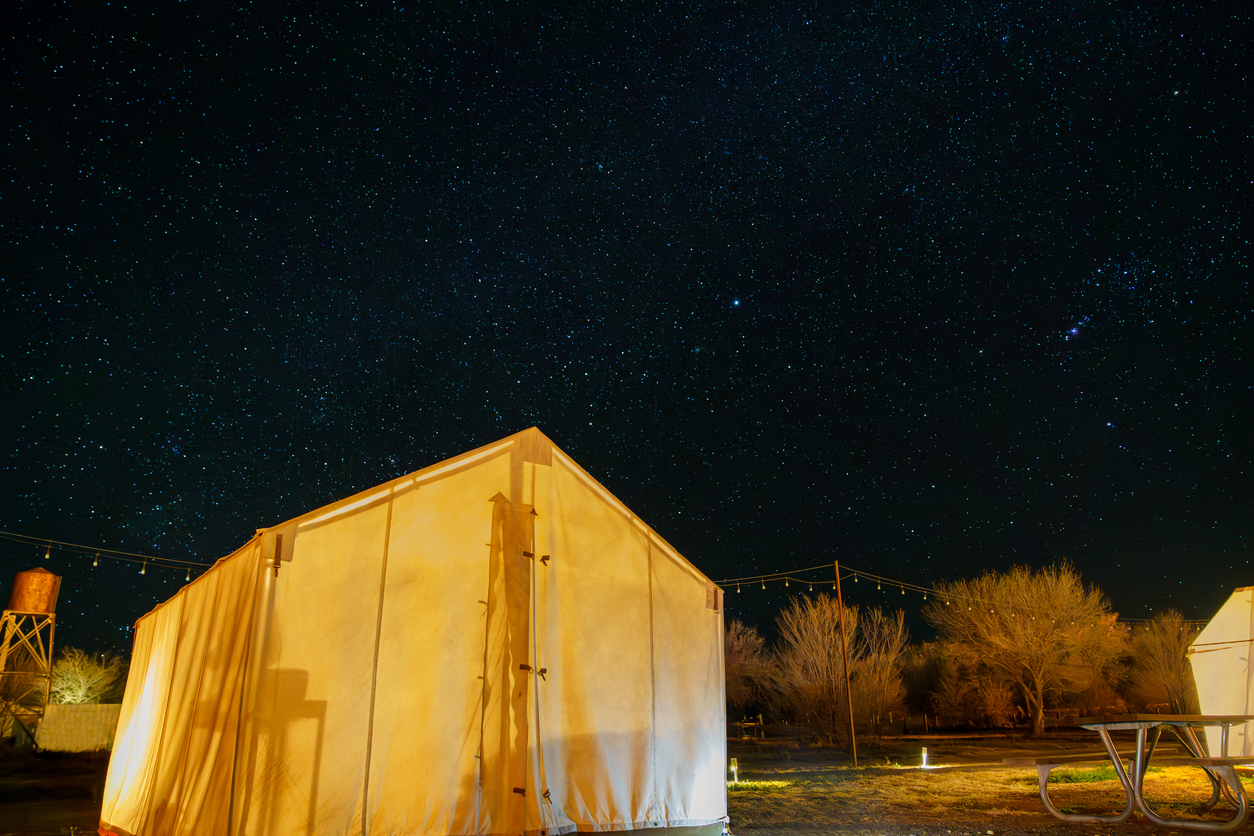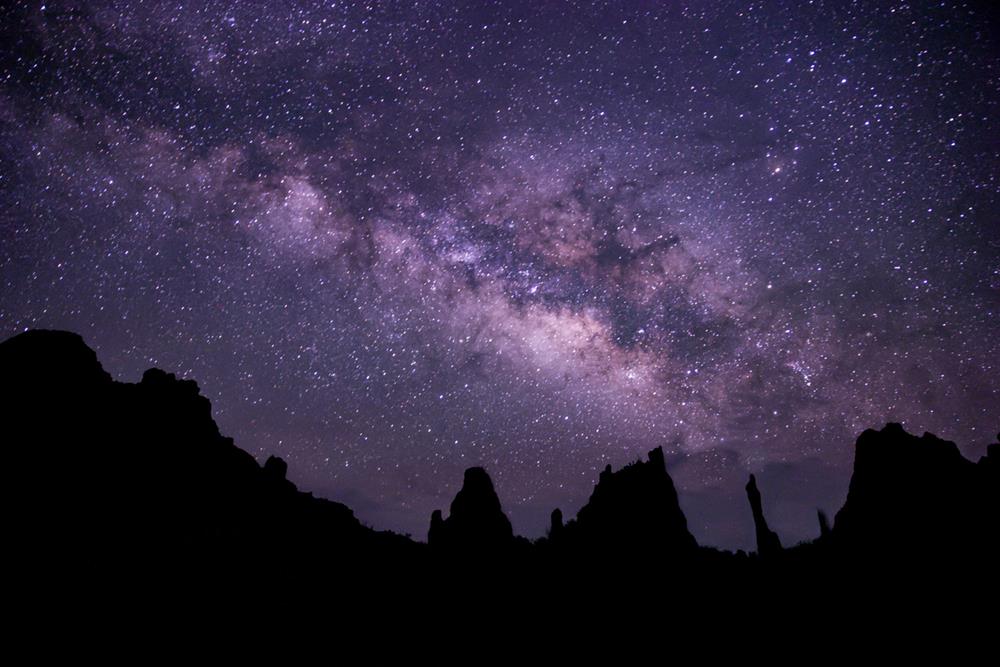
Where to Stargaze While Visiting Texas
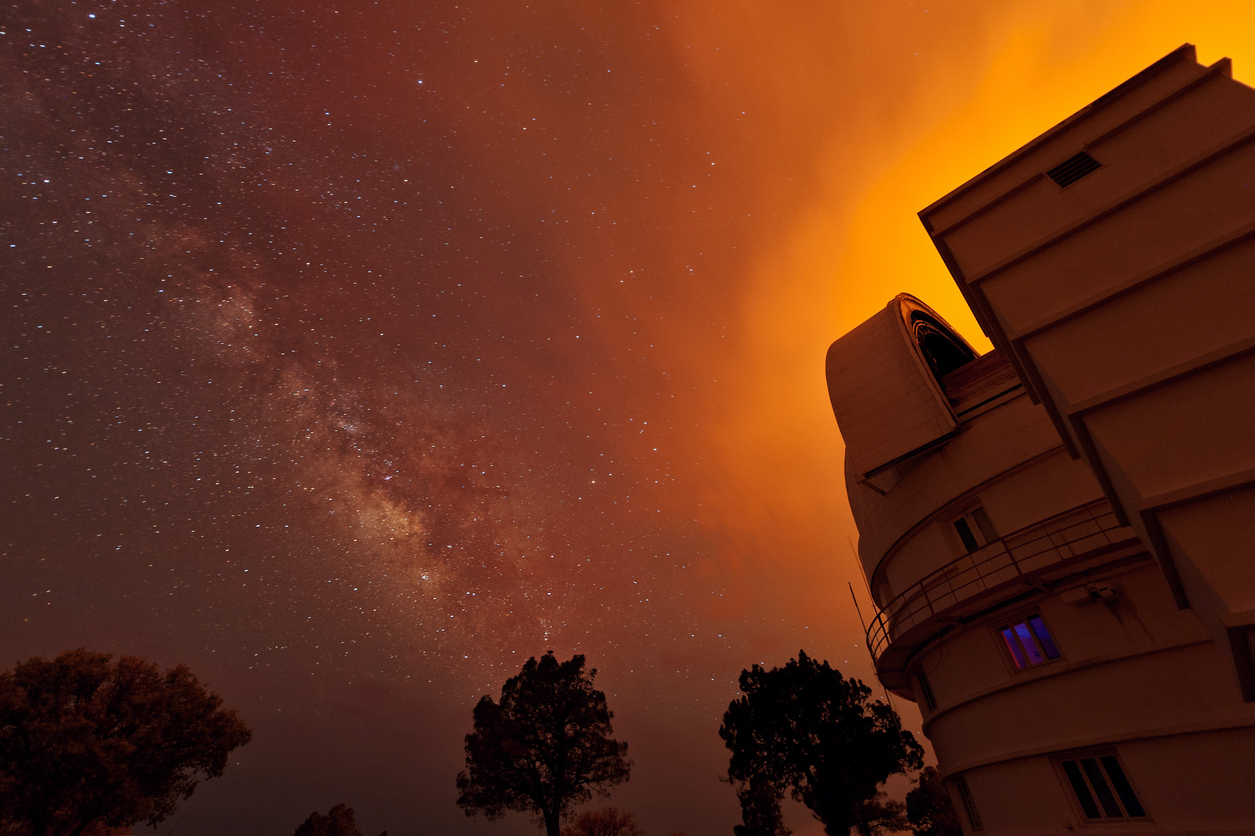
Texas offers some of the best stargazing in the United States, thanks to its vast landscapes, low population density in certain regions, and growing number of certified dark sky areas. From the remote deserts of West Texas to accessible Hill Country parks and public observatories, you’ll find a wide range of places to experience clear night skies filled with stars, planets, and even the Milky Way.
Stargazing Regions Across Texas
View this post on Instagram
Texas offers distinct stargazing experiences depending on the region, each with different levels of darkness and accessibility. West Texas (Big Bend, Davis Mountains, Guadalupe Mountains) This is the darkest region in the state, with minimal light pollution and some of the best Milky Way visibility in North America. Ideal for serious stargazers and astrophotographers. Hill Country (Austin–San Antonio region) Offers accessible dark skies within short drives of major cities. Locations like Enchanted Rock and South Llano River State Park balance convenience with strong visibility. Panhandle and North Texas Wide-open plains and canyonlands provide low light pollution and expansive horizons, especially at parks like Copper Breaks and Caprock Canyons. Gulf Coast and East Texas More humid and prone to cloud cover, but still offers occasional viewing opportunities, especially in less developed coastal areas.
Big Bend Stargazing: One of the Largest Dark Sky Regions in North America
View this post on Instagram
The Greater Big Bend International Dark Sky Reserve, spanning parts of Texas and northern Mexico, is recognized as one of the largest dark sky regions in the world, covering over 15,000 square miles. Anchored by Big Bend National Park, this region offers some of the darkest skies in the lower 48 states. The area’s remote location in the Chihuahuan Desert, combined with strict lighting controls, creates exceptional visibility. On clear nights, you can see thousands of stars, the Milky Way stretching across the sky, and even distant galaxies with the naked eye. Nearby, McDonald Observatory—located in the Davis Mountains, not within Big Bend itself—offers guided star parties and telescope viewing sessions, making it a great complement to self-guided stargazing in the park.
Hill Country Dark Sky Parks Near Austin and San Antonio
View this post on Instagram
The Texas Hill Country provides some of the most accessible stargazing locations, especially for visitors based in Austin or San Antonio. Enchanted Rock State Natural Area is one of Texas’s most popular stargazing destinations, offering elevated views and regular night sky programs. South Llano River State Park is also an International Dark Sky Park, known for its quiet environment and minimal light pollution. The region is also home to several International Dark Sky Communities, including Dripping Springs, Wimberley Valley, Fredericksburg, and Bee Cave, all of which have implemented lighting ordinances to preserve night skies. While Lyndon B. Johnson National Historical Park offers open landscapes, it is not a designated dark sky park, though it can still provide decent viewing conditions on clear nights.
Texas Observatories with Telescopes and Guided Star Parties
View this post on Instagram
For a guided experience, Texas observatories provide access to high-powered telescopes and educational programs. McDonald Observatory in West Texas hosts regular Star Parties, where visitors can view planets, star clusters, and galaxies through professional-grade telescopes. The facility also includes a visitor center and daytime exhibits. Near Houston, the George Observatory—located inside Brazos Bend State Park—offers Saturday night viewing sessions and access to one of the largest public telescopes in the country. These observatories are ideal if you want expert guidance, especially if you’re new to stargazing or visiting with family.
Panhandle and North Texas Stargazing Locations
The Texas Panhandle and North Texas plains offer wide-open landscapes with minimal light pollution, making them excellent for self-guided stargazing. Copper Breaks State Park, a certified International Dark Sky Park, is one of the best locations in North Texas for viewing stars and meteor showers. Caprock Canyons State Park also offers dark skies and dramatic canyon landscapes that enhance nighttime viewing. Other notable areas include Lake Meredith National Recreation Area and Palo Duro Canyon State Park, where the surrounding terrain helps reduce light interference from nearby towns.
Certified Dark Sky Communities and Parks in Texas
Texas has a growing number of International Dark Sky designations, especially in the Hill Country and West Texas. Recognized communities include Dripping Springs (2014), Wimberley Valley (2018), Fredericksburg (2020), Horseshoe Bay, and Bee Cave. These communities actively manage outdoor lighting to preserve night sky visibility. Certified Dark Sky Parks in Texas include:
- Enchanted Rock State Natural Area
- South Llano River State Park
- Copper Breaks State Park
These designations help ensure long-term protection of Texas’s night skies and provide reliable locations for visitors.
Remote Backcountry Stargazing Sites Across Texas
View this post on Instagram
If you’re looking for the darkest skies possible, Texas offers several remote locations ideal for uninterrupted stargazing. Big Bend Ranch State Park is one of the darkest places in Texas, often rated near the top of the Bortle Scale (Class 1). Guadalupe Mountains National Park provides high-elevation viewing and extremely low light pollution. Lost Maples State Natural Area offers a quieter Hill Country option with strong visibility on clear nights. These areas are best suited for overnight stays, as their remote locations require advance planning and limited services.
Best Months and Weather Conditions for Texas Stargazing
Timing plays a major role in your stargazing experience. Summer (June–August) offers the best views of the Milky Way core, though temperatures can be extremely hot during the day. Spring and fall provide the most comfortable conditions, with moderate temperatures and good visibility. Winter often brings the clearest skies due to lower humidity, making it ideal for viewing constellations and bright stars. For the best results, plan your visit around a new moon phase and check for clear, low-humidity weather conditions.
Stargazing Packing Checklist
Preparing properly can significantly improve your stargazing experience, especially in remote areas. Bring a red flashlight or headlamp to preserve your night vision, as bright white light can reduce your ability to see faint stars. A blanket or reclining chair makes it easier to look upward comfortably for extended periods. Other useful items include:
- Warm layers (temperatures can drop quickly at night, even in summer)
- Bug spray, especially in Hill Country and coastal areas
- Water and snacks for longer viewing sessions
- A stargazing app like Sky Guide or Stellarium to identify constellations and planets
Allow at least 20–30 minutes for your eyes to adjust to the dark for optimal viewing.
Understanding the Bortle Scale for Stargazing
The Bortle Scale measures night sky darkness, helping you choose the right location for your experience level. Class 1 skies (such as Big Bend Ranch State Park) offer the darkest conditions, where the Milky Way is highly detailed and shadows from starlight may be visible. Class 2 skies (such as Copper Breaks State Park) still provide excellent visibility, with thousands of stars and minimal light pollution while being more accessible. Lower classes (3–4) can still offer enjoyable stargazing, especially for casual observers, but may have some light interference.
Best Meteor Showers to Watch in Texas
Texas’s wide-open skies make it a great place to view annual meteor showers. Some of the most reliable and visible events include:
- Lyrids (April 21–22) – A spring shower producing around 10 meteors per hour under dark skies
- Eta Aquariids (early May) – Known for fast-moving meteors, best viewed before dawn
- Perseids (August 11–13) – One of the most popular showers, often producing 50+ meteors per hour and especially strong during dark-sky years
- Orionids (October 21–22) – Reliable fall viewing with brighter meteors after midnight
- Geminids (December 13–14) – One of the most intense showers of the year, with strong activity even in cooler months
For the best results, plan your viewing during new moon phases and aim for the early morning hours, when meteor activity is typically highest.