San Antonio Spots with Great Night Skies
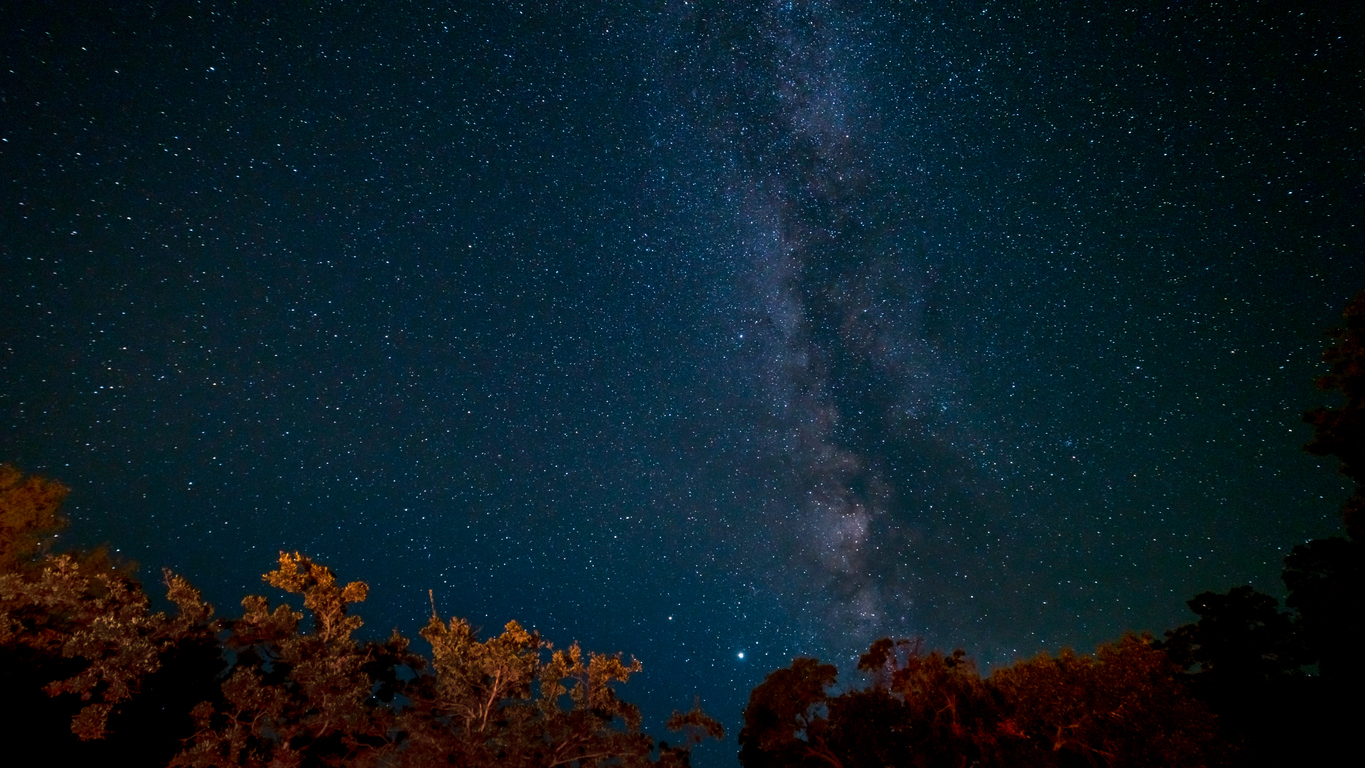
Escaping San Antonio’s urban light pollution is essential if you want clear views of the Milky Way, planets, and meteor showers. Fortunately, several excellent stargazing destinations lie within a few hours of the city, ranging from Hill Country state parks to remote coastal beaches.
Nearby locations such as Government Canyon State Natural Area and Blanco State Park provide some of the closest opportunities for darker skies. Farther destinations like Choke Canyon State Park and Padre Island National Seashore offer even darker conditions thanks to their distance from major urban lighting.
Planning your trip around new moon phases, especially during summer months when the Milky Way is most visible in the Northern Hemisphere, can dramatically improve viewing conditions.
Why San Antonio's Light Pollution Sends Stargazers to Hill Country
San Antonio is one of the largest cities in Texas, and its growing skyline produces significant light pollution, which reduces the visibility of faint stars and deep-sky objects.
Artificial sky glow from urban lighting scatters into the atmosphere, brightening the night sky and washing out dim celestial objects. In heavily lit urban areas, observers may only see a few dozen stars, while darker rural locations can reveal thousands of visible stars and the full Milky Way band.
For this reason, many San Antonio stargazers head toward Texas Hill Country, where smaller towns and rural landscapes produce much darker skies. The region is home to several International Dark Sky Association (IDA) certified locations, including nearby communities and parks dedicated to protecting nighttime visibility.
Driving just 30–90 minutes away from the city can significantly improve viewing conditions and reveal planets, star clusters, and meteor showers that remain hidden from within the urban core.
Government Canyon and Blanco: Closest Hill Country Stargazing Sites
Two of the closest dark-sky viewing areas near San Antonio are Government Canyon State Natural Area and Blanco State Park, both located within Texas Hill Country.
Government Canyon State Natural Area
Located at 12861 Galm Road on San Antonio’s northwest side, Government Canyon offers a surprisingly dark sky environment considering its proximity to the city. The park periodically hosts ranger-led star parties and astronomy programs, where local astronomy groups bring telescopes for public viewing.
Blanco State Park
Situated about 50 miles north of San Antonio along the Blanco River, Blanco State Park provides a quieter environment for evening sky watching. Overnight visitors staying at campsites or cabins can enjoy darker skies after the park closes to day visitors.
Location | Adult Admission | Stargazing Features |
|---|---|---|
Government Canyon State Natural Area | $6 | Occasional astronomy programs, wide open viewing areas |
Blanco State Park | $5 | Camping, riverfront viewing areas, quiet Hill Country skies |
Both parks benefit from reduced surrounding development, making them convenient first options for travelers who want darker skies without driving several hours.
More Hill Country Parks with Excellent Stargazing
Several other Hill Country parks within a few hours of San Antonio offer excellent conditions for night sky viewing. Their rural locations and limited surrounding development help reduce light pollution, making them popular destinations for amateur astronomers and astrophotographers.
Lost Maples State Natural Area
Located about 120 miles northwest of San Antonio near Vanderpool, Lost Maples State Natural Area is well known for its scenic canyons and fall foliage. The park’s remote setting also provides very dark night skies, especially once day visitors leave. Campers often gather in open areas to watch meteor showers or photograph the Milky Way.
Enchanted Rock State Natural Area
About 100 miles north of San Antonio near Fredericksburg, Enchanted Rock features one of Texas’s most iconic landscapes. The massive granite dome rises above surrounding terrain, offering wide panoramic views of the night sky. The park frequently hosts night sky programs and ranger-led stargazing events, and the elevated terrain makes it a favorite for astrophotography.
Garner State Park
Situated roughly 90 miles west of San Antonio near Concan, Garner State Park lies along the Frio River and offers open sky views away from large cities. Visitors staying overnight at campsites or cabins can enjoy clear Hill Country skies after dark, especially during late spring and summer.
Hill Country State Natural Area
This rugged park about 60 miles west of San Antonio near Bandera covers more than 5,000 acres of undeveloped land. Its limited infrastructure and minimal lighting create an environment where stars, constellations, and the Milky Way become far more visible than in the city.
Together with Government Canyon and Blanco State Park, these locations provide a range of accessible dark-sky destinations for San Antonio stargazers.
Choke Canyon State Park: Remote Stargazing in South Texas
For significantly darker skies, Choke Canyon State Park offers one of the best stargazing environments within a few hours of San Antonio.
Located about 90 miles south of the city near Calliham, the park sits far from major metropolitan lighting. This remote setting allows visitors to see faint stars, meteor showers, and the Milky Way more clearly.
The park includes two units—Calliham Unit and South Shore Unit—both surrounding the large Choke Canyon Reservoir.
Visitors will find:
- Campsites for tents and RVs
- Screened shelters and cabins
- Fishing piers and boat ramps
- Wide open shoreline areas ideal for night sky viewing
Camping fees typically start around $12–$20 per night, depending on site type. The park’s open landscapes and minimal nearby development create excellent conditions for overnight astronomy sessions and astrophotography.
Whitecap Beach: Coastal Stargazing at Padre Island National Seashore
For truly dark coastal skies, Padre Island National Seashore offers one of the most dramatic night sky experiences in Texas.
About 140 miles south of San Antonio, the national seashore stretches for more than 60 miles along the Gulf of Mexico and remains largely undeveloped. The lack of nearby cities means very low artificial light levels, making it an excellent place to view stars.
Many visitors set up along Whitecap Beach or other sections of the national seashore shoreline, where the wide horizon creates unobstructed views of the night sky.
Helpful tips for beach stargazing include:
- Bring a red-light flashlight to protect night vision
- Allow 15–20 minutes for eyes to adjust to darkness
- Check weather forecasts for cloud cover and humidity
- Use a reclining chair or blanket for comfortable viewing
Nearby facilities at Malaquite Visitor Center provide restrooms, parking, and a campground for overnight stays.
Best Times to See the Milky Way Near San Antonio
The Milky Way’s bright galactic core becomes visible across Texas skies during late spring through early fall, with peak viewing conditions typically occurring between May and September.
The most important factor for viewing is the moon phase. Stargazing conditions improve dramatically during new moon periods, when moonlight does not brighten the sky.
Summer months—especially June through August—offer the best opportunities to see the Milky Way arching across southern skies after sunset.
For successful viewing or photography:
- Choose new moon nights or evenings just before the moon rises
- Travel to locations far from city lighting
- Use a tripod and long-exposure camera settings for astrophotography
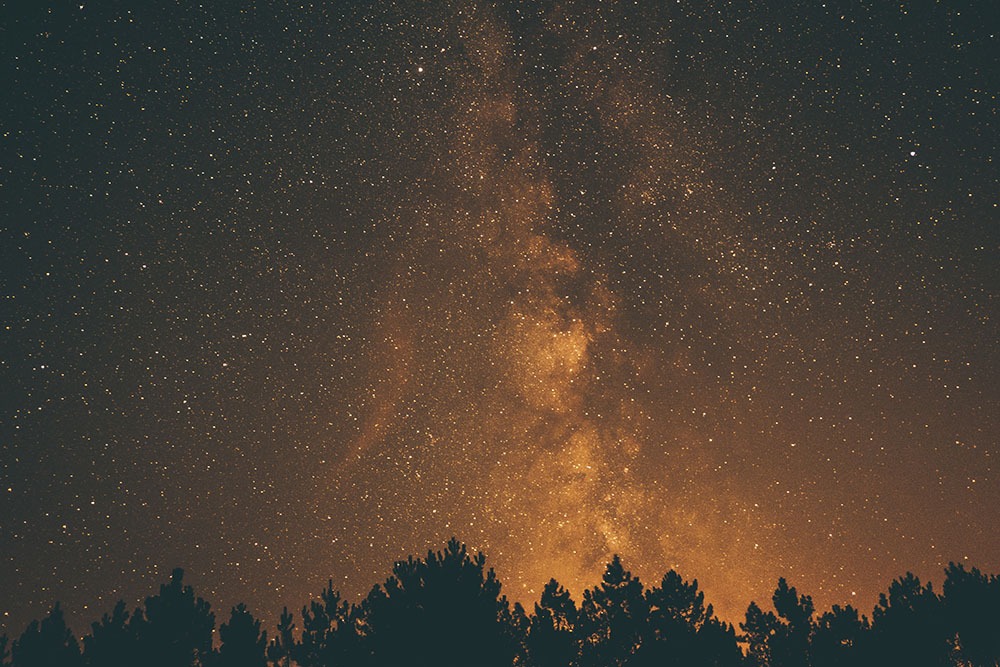
Under dark skies, observers can often see the Milky Way’s dust lanes, star clouds, and bright galactic core stretching across the horizon.
Best Meteor Showers to Watch Near San Antonio
Several annual meteor showers provide spectacular viewing opportunities under dark Texas skies.
Perseids Meteor Shower (August)
The Perseids are one of the most popular meteor showers in the Northern Hemisphere. They peak in mid-August and can produce 50–100 meteors per hour under dark skies. Because the event occurs during warm summer nights, many observers head to Hill Country parks or remote campgrounds to watch the meteors streak across the sky.
Geminids Meteor Shower (December)
The Geminids, which peak in mid-December, are often considered the most reliable meteor shower of the year. Under ideal conditions, observers may see up to 100 meteors per hour. Although winter nights can be colder, the shower often produces bright meteors that stand out even in moderately dark skies.
To maximize your chances of seeing meteors:
- Travel to locations far from city lighting
- Allow 15–20 minutes for your eyes to adapt to darkness
- Look toward the darkest part of the sky rather than directly at the meteor radiant
Astronomy Groups and Public Stargazing Events Near San Antonio
For travelers and residents interested in learning more about astronomy, local clubs frequently host public stargazing nights and telescope viewing events.
One of the most active organizations in the region is the San Antonio Astronomical Association (SAAA). Founded in 1974, the club regularly organizes star parties, educational programs, and public outreach events across South Texas.
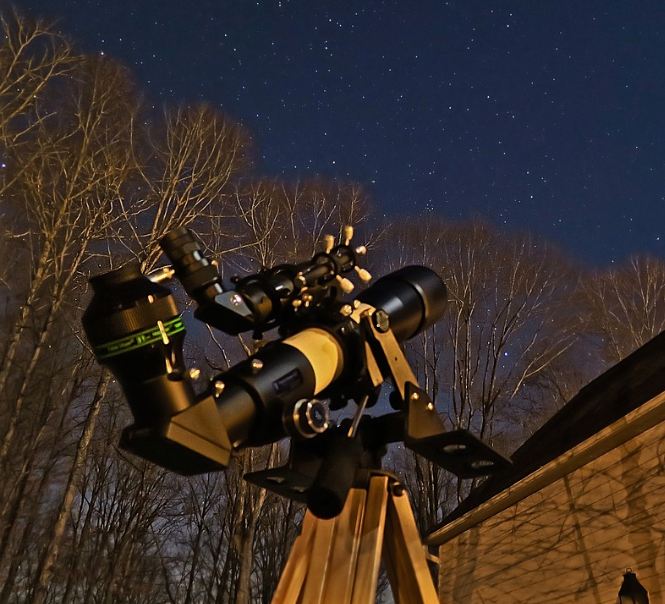
Members often bring telescopes to public events, allowing visitors to observe planets, star clusters, and deep-sky objects through professional-quality equipment.
Joining a local astronomy event can be one of the best ways for beginners to experience the night sky while learning from experienced observers.